
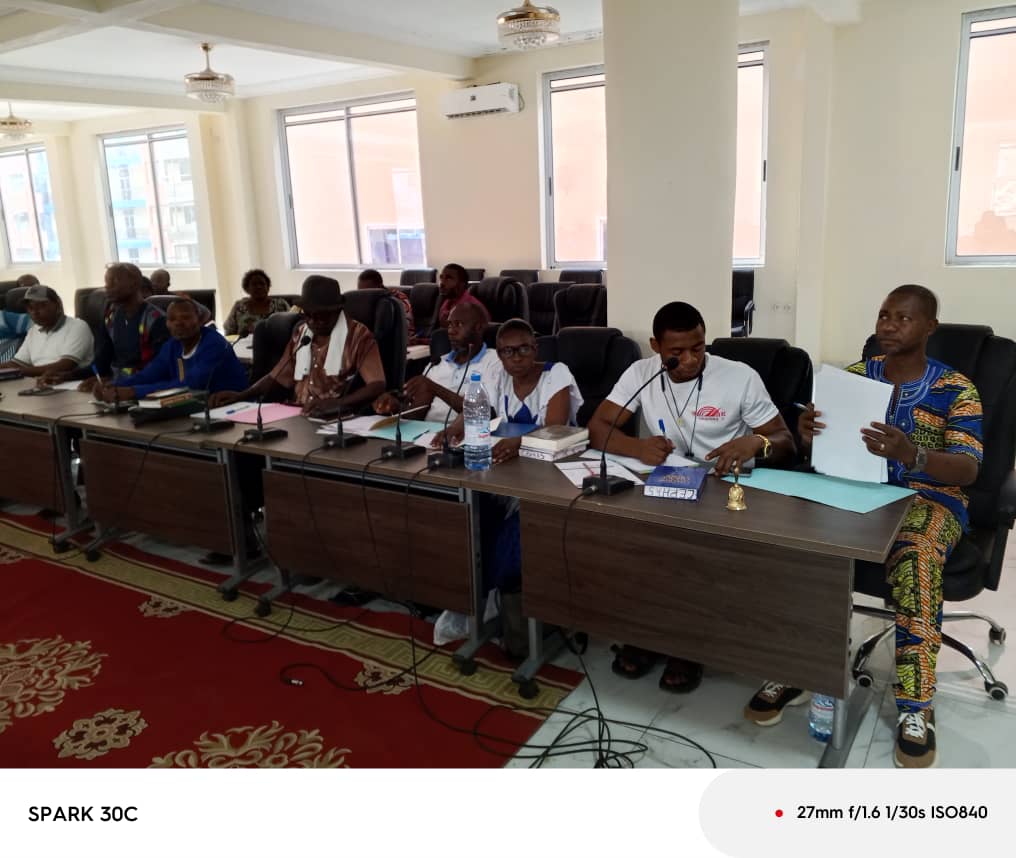
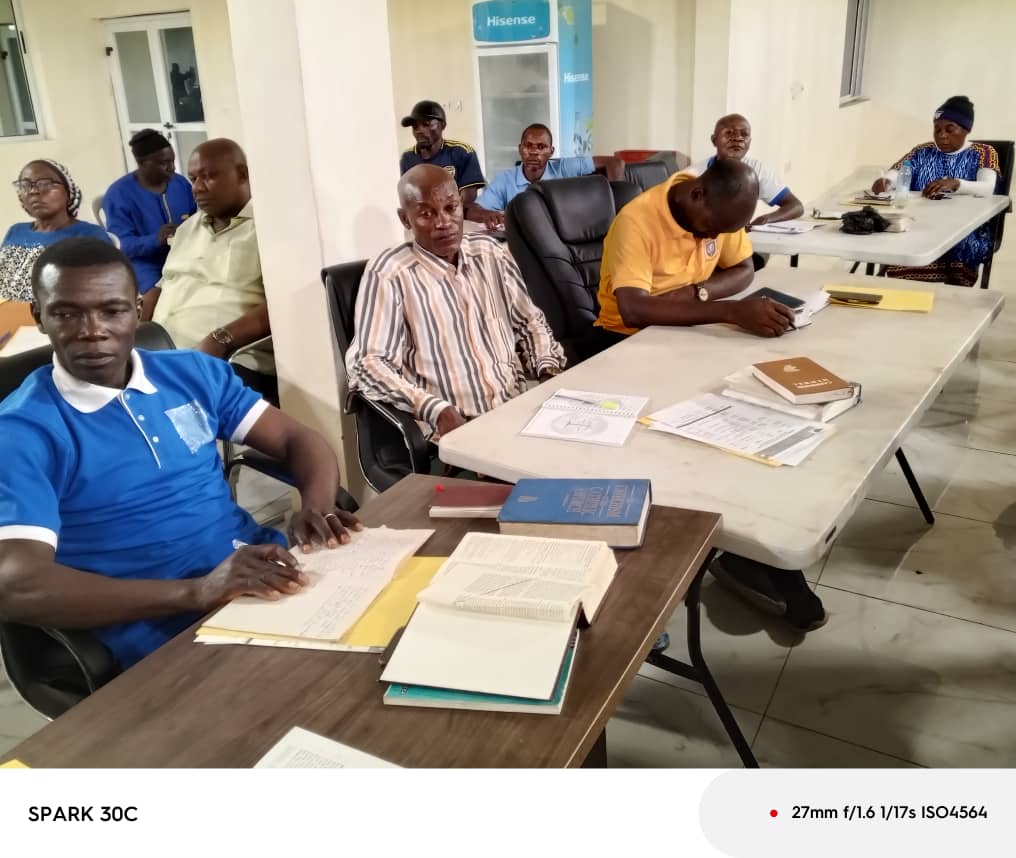
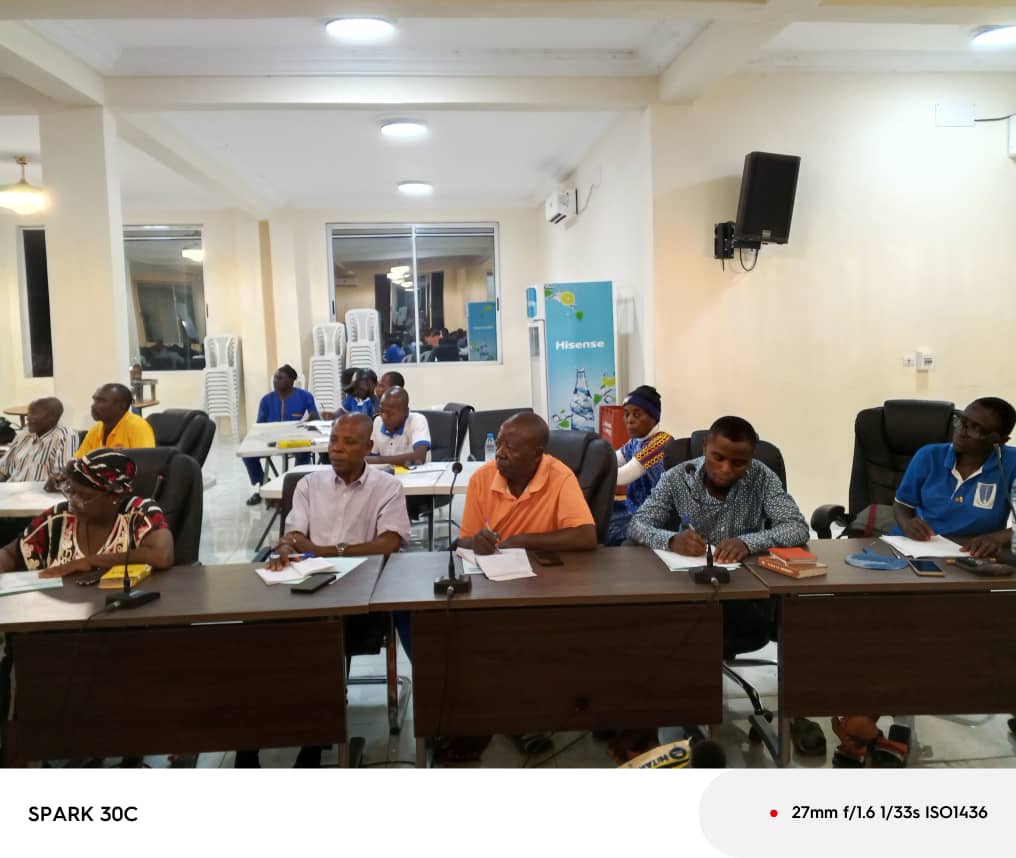
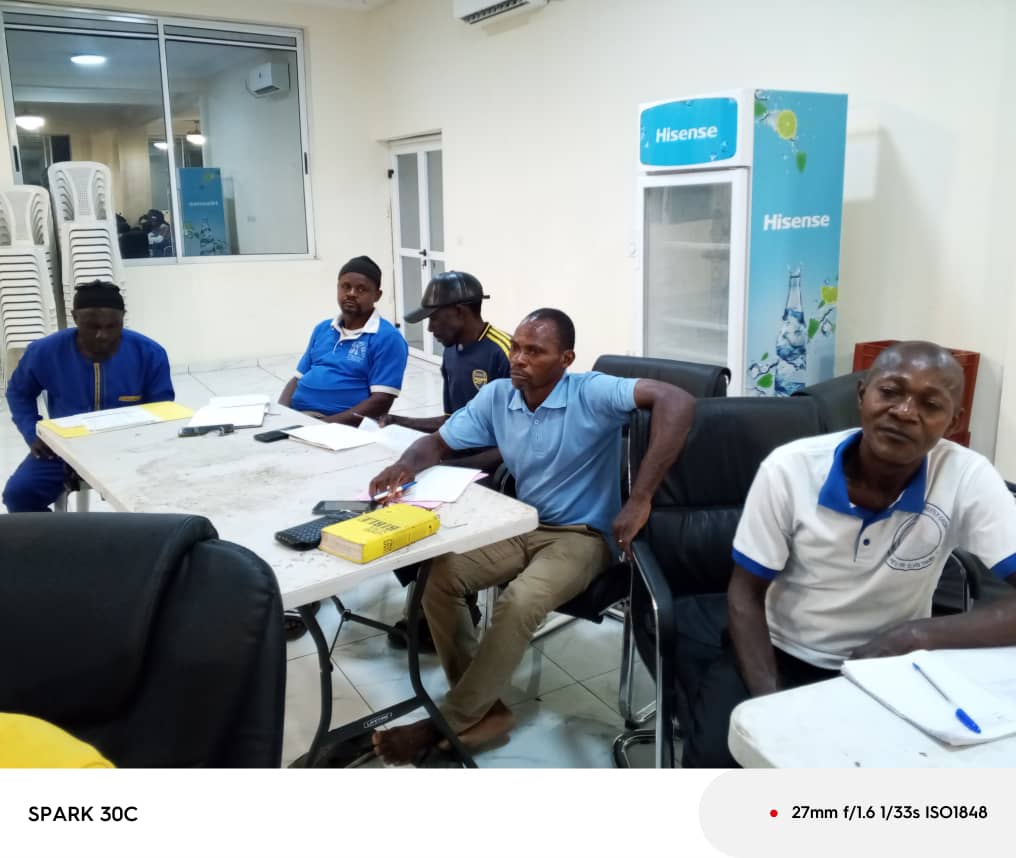




Frequently Asked Questions (FAQs)
Your questions about JOPASIT answered.
At the St. John Paul II Institute of Theology (JOPASIT), we understand that choosing a theological formation programme is an important decision. Below, we’ve addressed some of the most common questions to help you make an informed choice about your spiritual and academic journey with us.
FAQs
1. Who can apply to JOPASIT?
JOPASIT is open to all baptized Christians and people of goodwill who wish to deepen their understanding of the Catholic faith. Our programmes are designed for:
- Lay faithful seeking foundational or advanced theological formation.
- Catechists, religious educators, and parish leaders.
- Working professionals, parents, and young adults.
- Anyone discerning a call to serve the Church and society.
No prior theological background is required for Cycle I (1-Year Programme). For Cycle II (3-Year Higher Diploma), applicants should have at least two “A” Levels or equivalent qualifications.
2. What is the difference between Cycle I and Cycle II?
Cycle I (1-Year Programme):
- Designed for those seeking a foundational understanding of the Catholic faith.
- Open to mature candidates and “O” Level holders.
- Awards an Attestation of Studies upon completion.
- Ideal for personal enrichment, catechists, and parish volunteers.
Cycle II (3-Year Higher Diploma in Theology):
- A comprehensive theological programme for those seeking deeper academic formation.
- Requires at least two “A” Levels or equivalent qualifications.
- Awards a Higher Diploma in Theology upon completion.
- Prepares students for roles in catechesis, religious education, and pastoral ministry.
3. How much does it cost to study at JOPASIT?
We offer affordable tuition with flexible payment plans to ensure accessibility for all students:
- Cycle I (1 Year): 85,000 XAF (includes registration and tuition).
- Cycle II (3 Years): 85,000 XAF per academic year.
Payment Plans:
- Registration Fee: 5,000 XAF (due upon admission).
- Cycle II Installments:
- 50,000 XAF (due by 1st November).
- 30,000 XAF (due by 31st January).
4. Are there scholarships or financial aid available?
While JOPASIT does not currently offer formal scholarships, we are committed to making theological education accessible. Students facing financial difficulties are encouraged to contact the Institute’s administration to discuss potential partial fee waivers, work-study opportunities, or sponsorship arrangements. Our goal is to ensure that no student is turned away due to financial constraints.
5. What is the class schedule like?
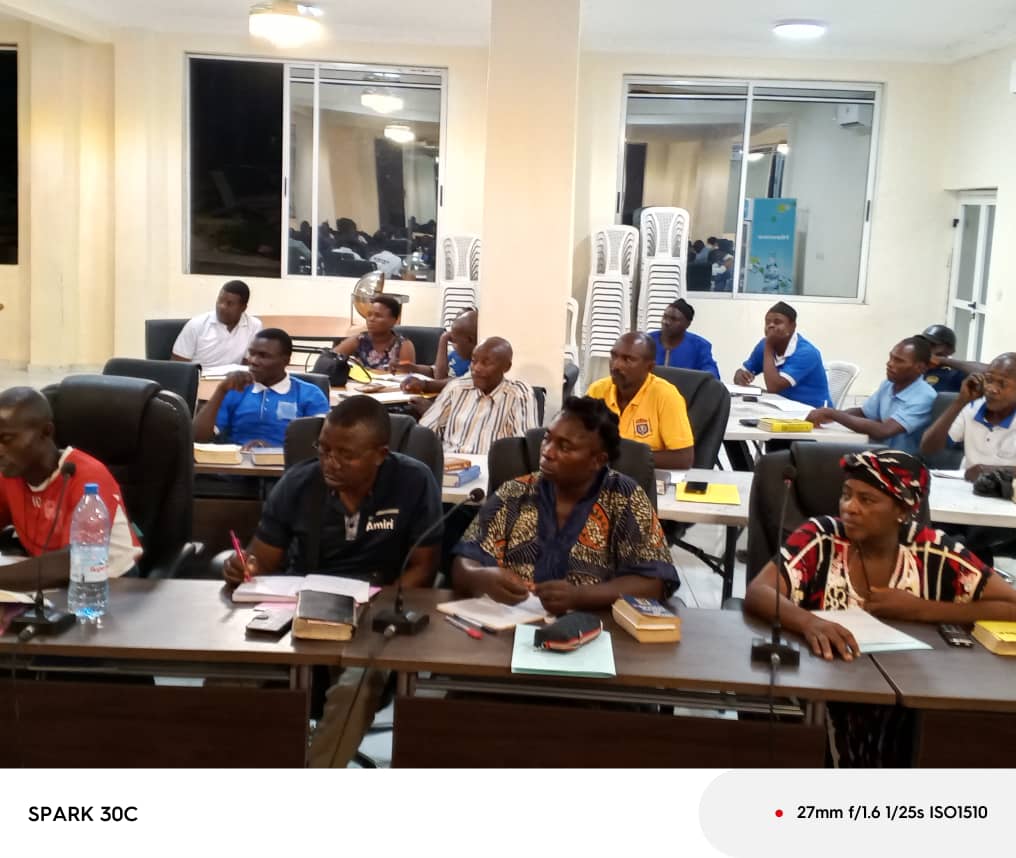
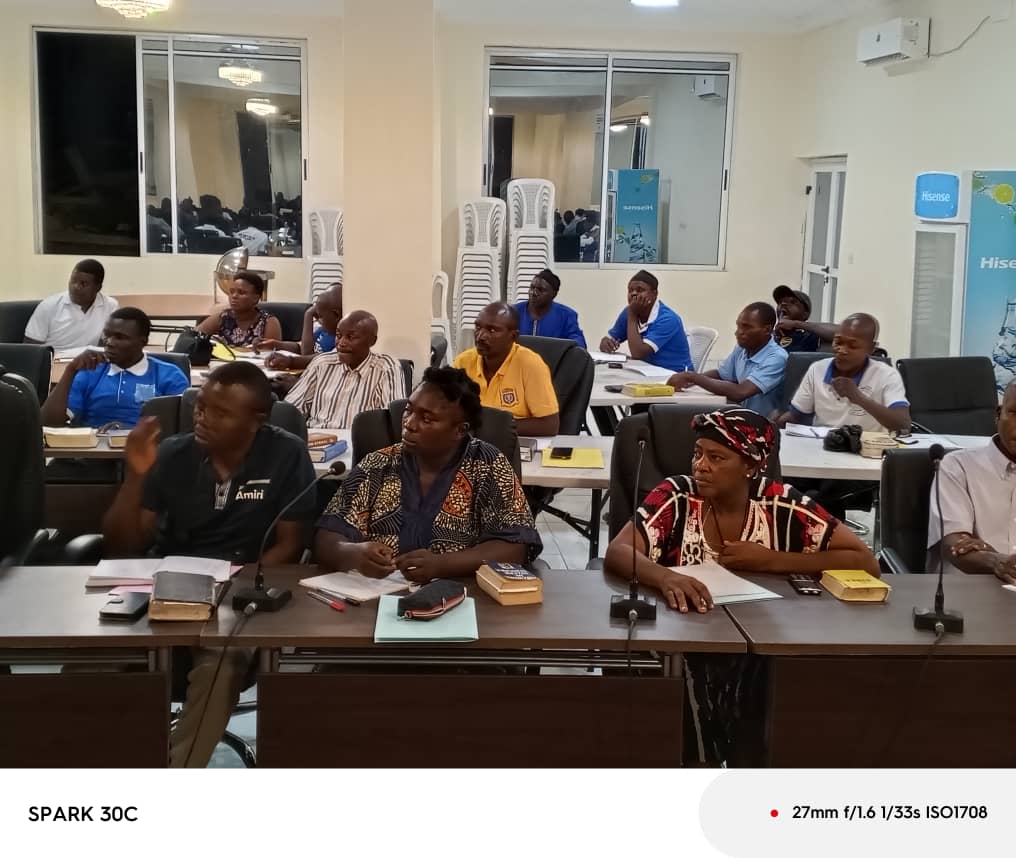
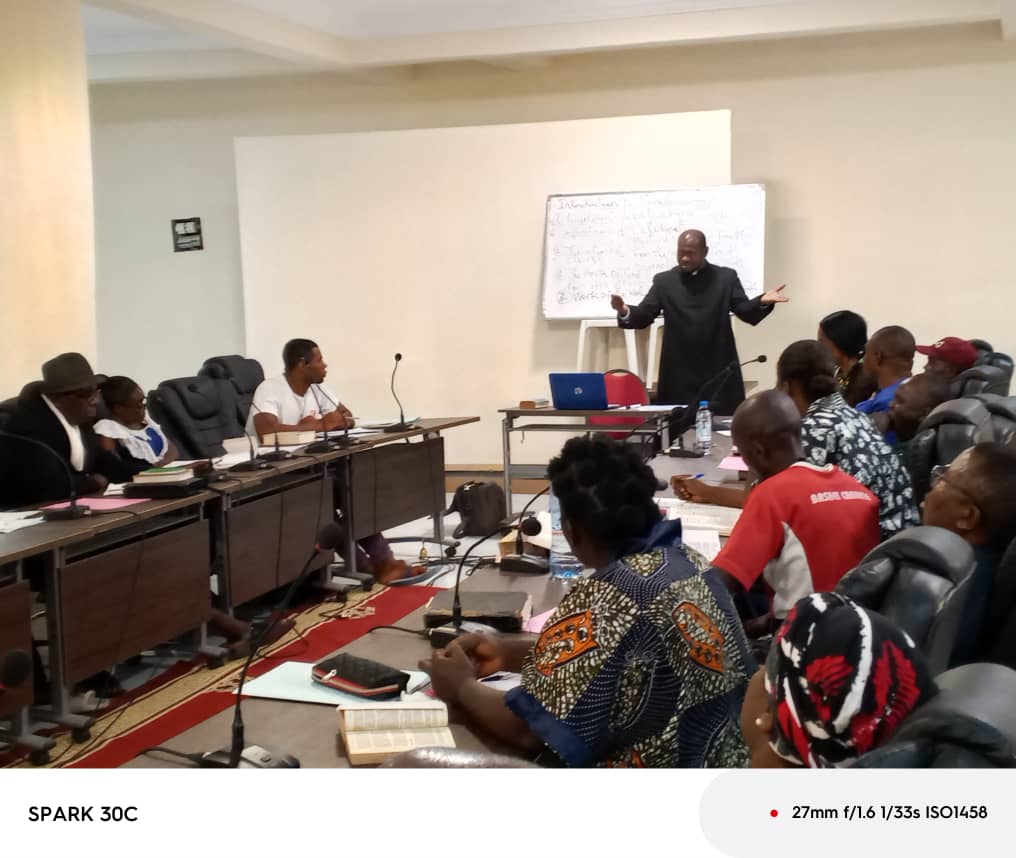
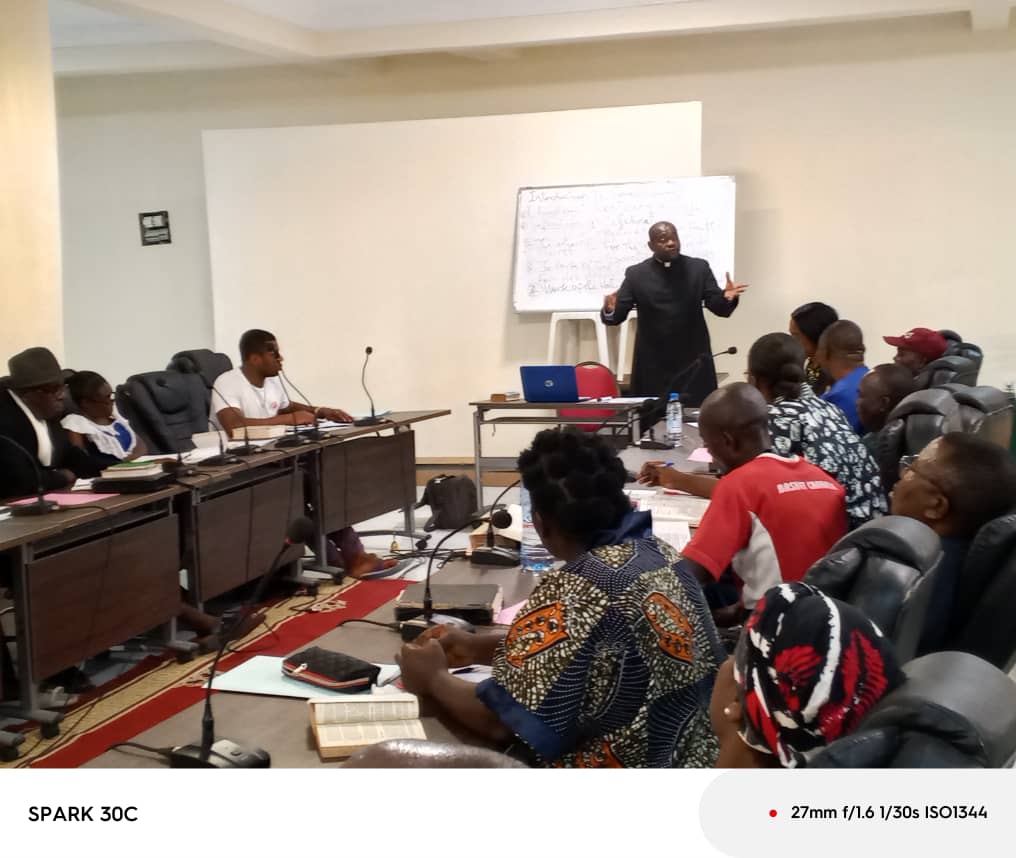
Classes at JOPASIT are designed to accommodate working professionals, parents, and students with other commitments. Our schedule includes:
- Weekday evening classes (typically 4:00 PM to 7:00 PM).
- Weekend sessions (Saturdays) for select courses.
- Flexible learning options for those who need to balance studies with work or family responsibilities.
The academic calendar follows the standard school year, with breaks aligned to liturgical seasons and public holidays.
6. What courses are offered at JOPASIT?
Our curriculum is rooted in Sacred Scripture, Catholic Tradition, and the teachings of the Church. Courses include:
- Sacred Scripture
- Dogmatic Theology
- Moral Theology
- Catechetics
- Liturgy
- Church History
- Canon Law
- Philosophy and Logic
- Latin, Greek, and Hebrew (introductory courses)
In addition to academic courses, students participate in spiritual formation, liturgical celebrations, and community-building activities.
7. What support is available for students?
At JOPASIT, we are committed to the holistic formation of our students. Support includes:
- Academic Guidance: Faculty and staff are available to assist with course selection, study skills, and academic challenges.
- Spiritual Formation: Regular opportunities for prayer, retreats, and spiritual direction.
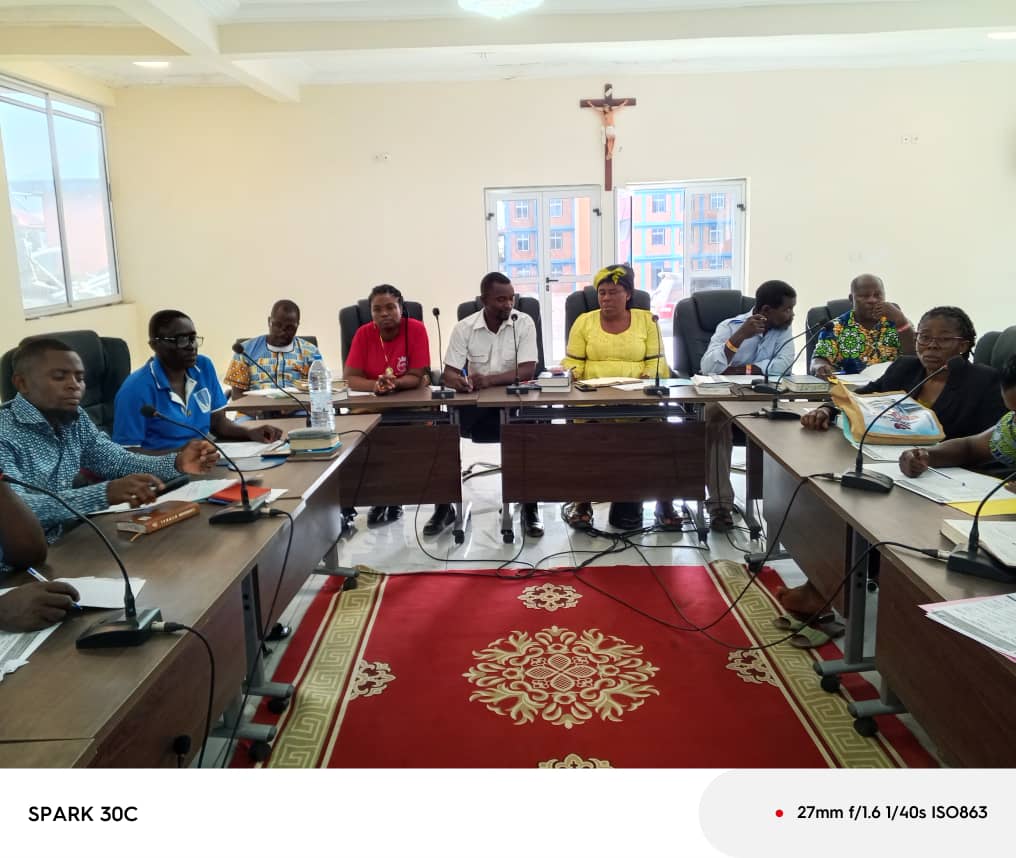
- Community Life: A welcoming and inclusive environment where students grow together in faith and friendship.
- Library Access: A well-stocked library with over 5,000 volumes, including donations from Bishop Immanuel Bushu and Chief Justice Lucy Asuagbor.
8. How do I apply to JOPASIT?
Applying to JOPASIT is simple:
- Complete the Application Form: Available online or at the JOPASIT office.
- Submit Required Documents:
- A copy of your birth certificate or national ID.
- Academic certificates (e.g., “O” Level, “A” Level, or equivalent).
- A letter of recommendation from your parish priest or a Catholic leader (optional but encouraged).
- Pay the Registration Fee: 5,000 XAF (non-refundable).
- Attend an Interview: Shortlisted candidates may be invited for an informal interview to discuss their goals and motivations.
Application Deadline: Applications are accepted on a rolling basis, but early submission is encouraged for the best chance of admission.
9. What career opportunities are available after completing a programme at JOPASIT?
Graduates of JOPASIT are equipped to serve in a variety of roles within the Church and society, including:
- Catechists and Religious Educators in parishes and Catholic schools.
- Parish Leaders and Pastoral Assistants in liturgy, youth ministry, and family life programmes.
- Lay Ministers in hospitals, prisons, and other pastoral settings.
- Faith Formation Coordinators for diocesan and community initiatives.
- Advocates for Catholic Social Teaching in NGOs, social work, and community development.
- Informed and Active Lay Faithful who bring their faith into their families, workplaces, and communities.
While JOPASIT does not offer formal career placement services, our alumni network and connections with the Diocese of Buea provide opportunities for graduates to serve in meaningful roles.
10. Can I visit the campus before applying?
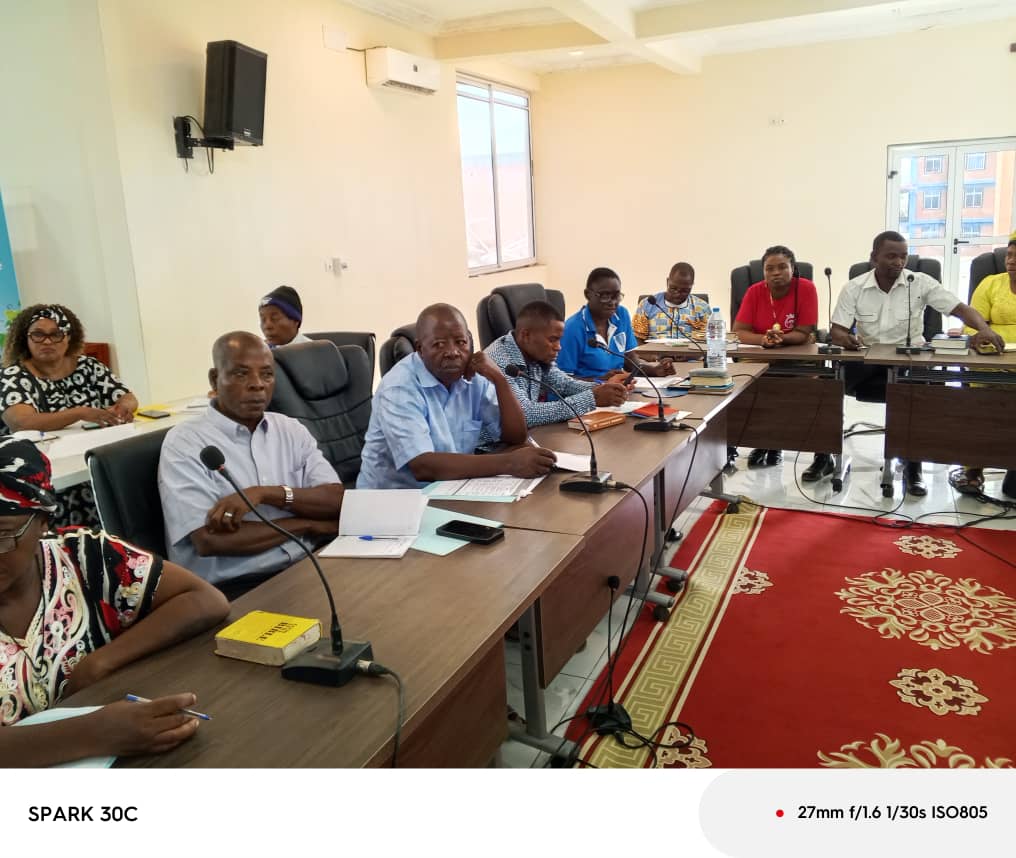
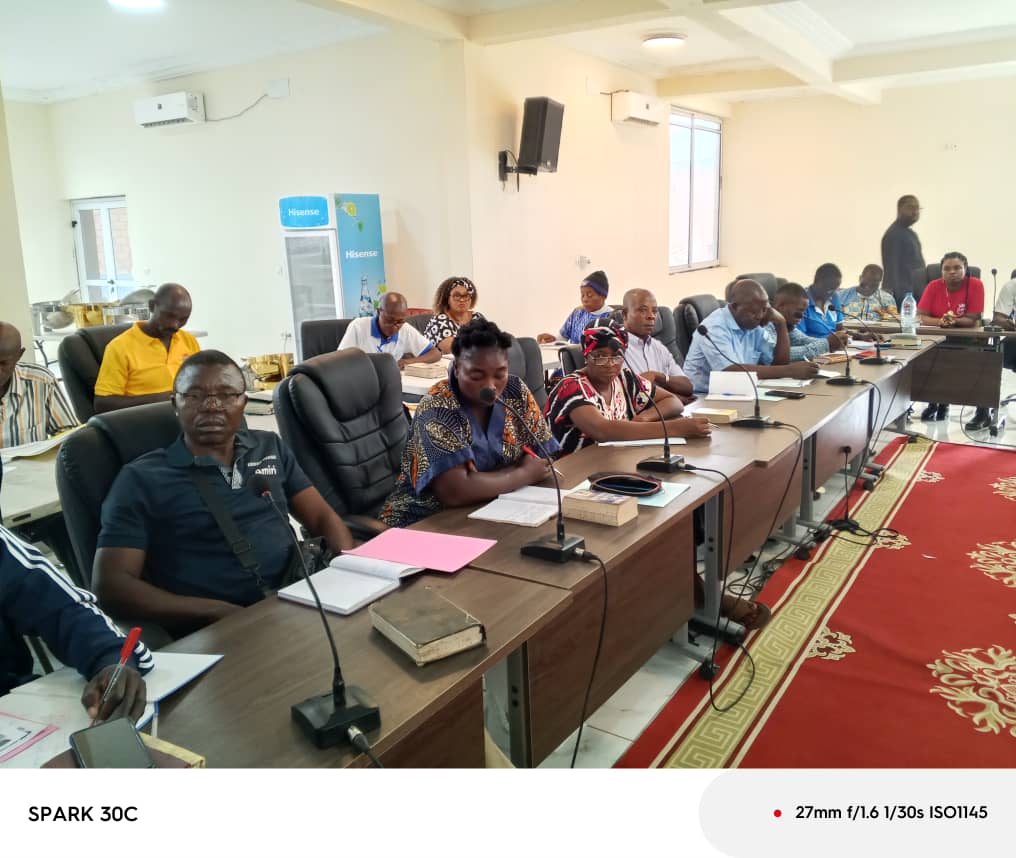
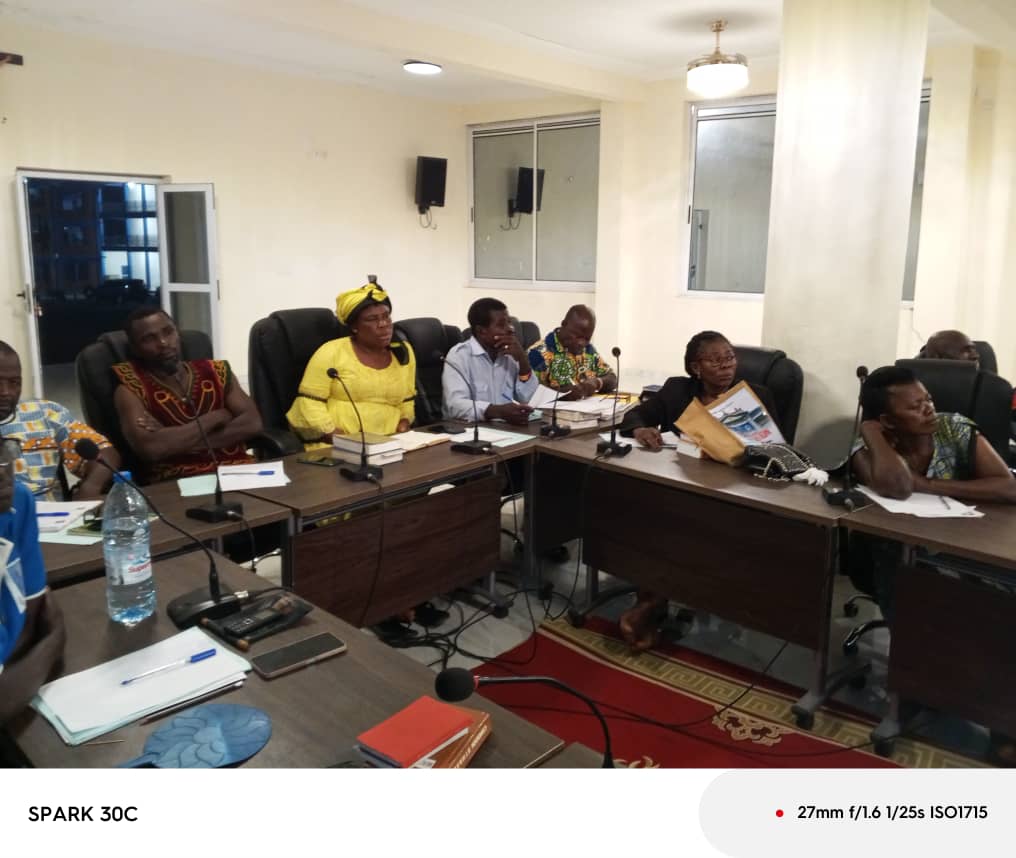
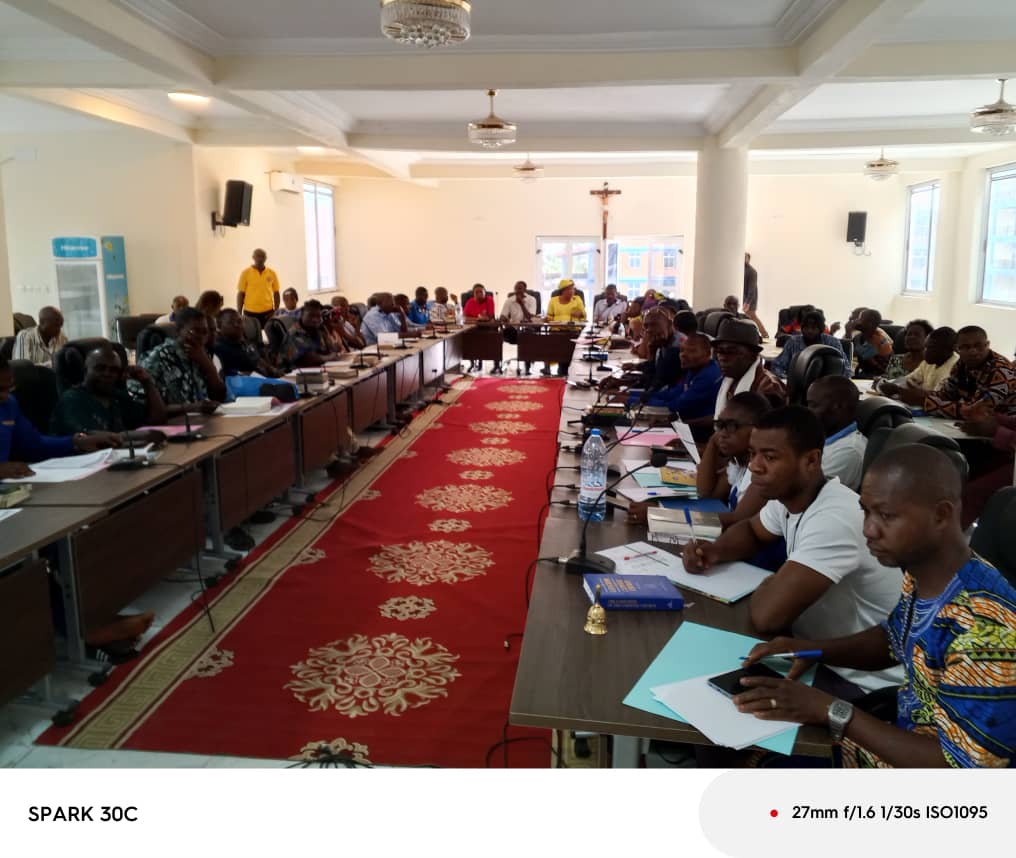
Yes! We welcome prospective students and their families to visit our campus in Molyko, Buea. Campus tours provide an opportunity to:
- Meet faculty and staff.
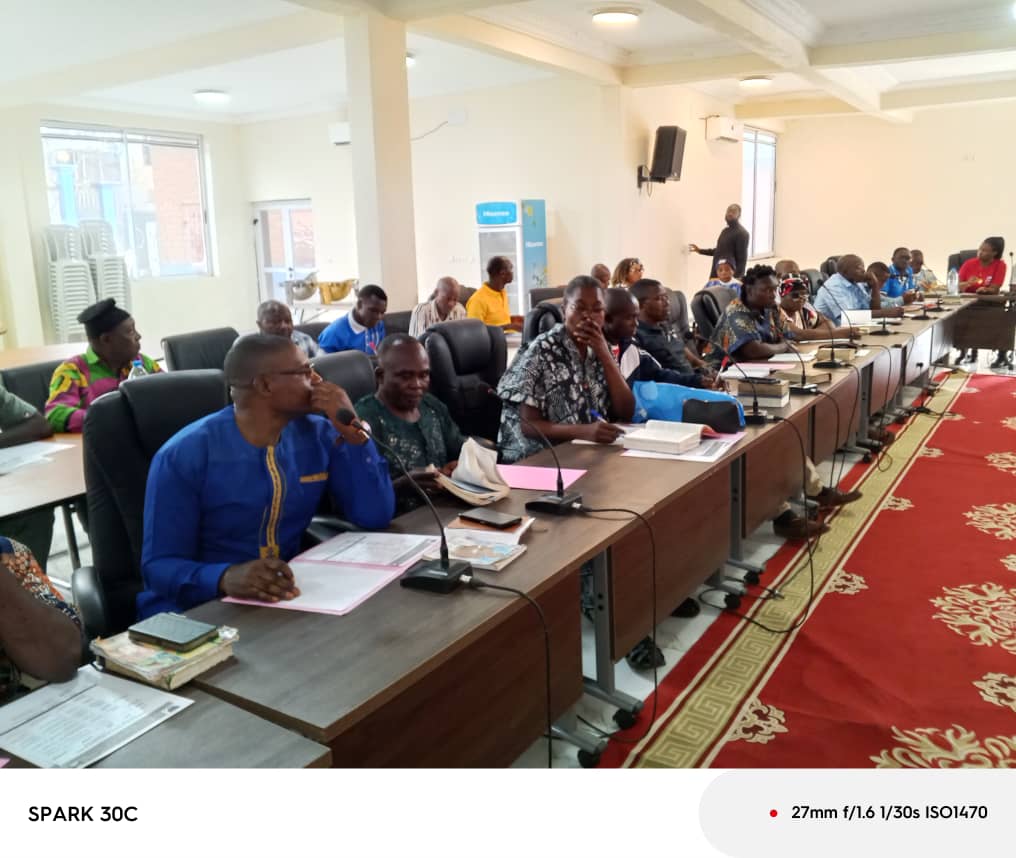
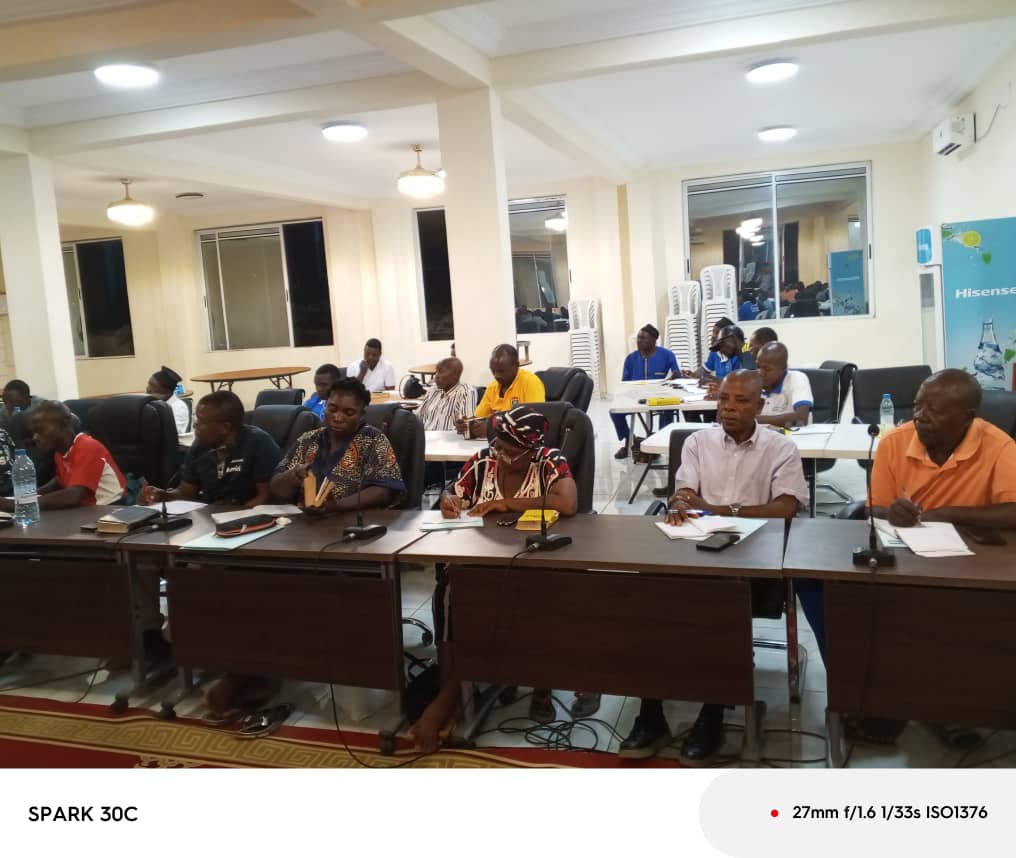
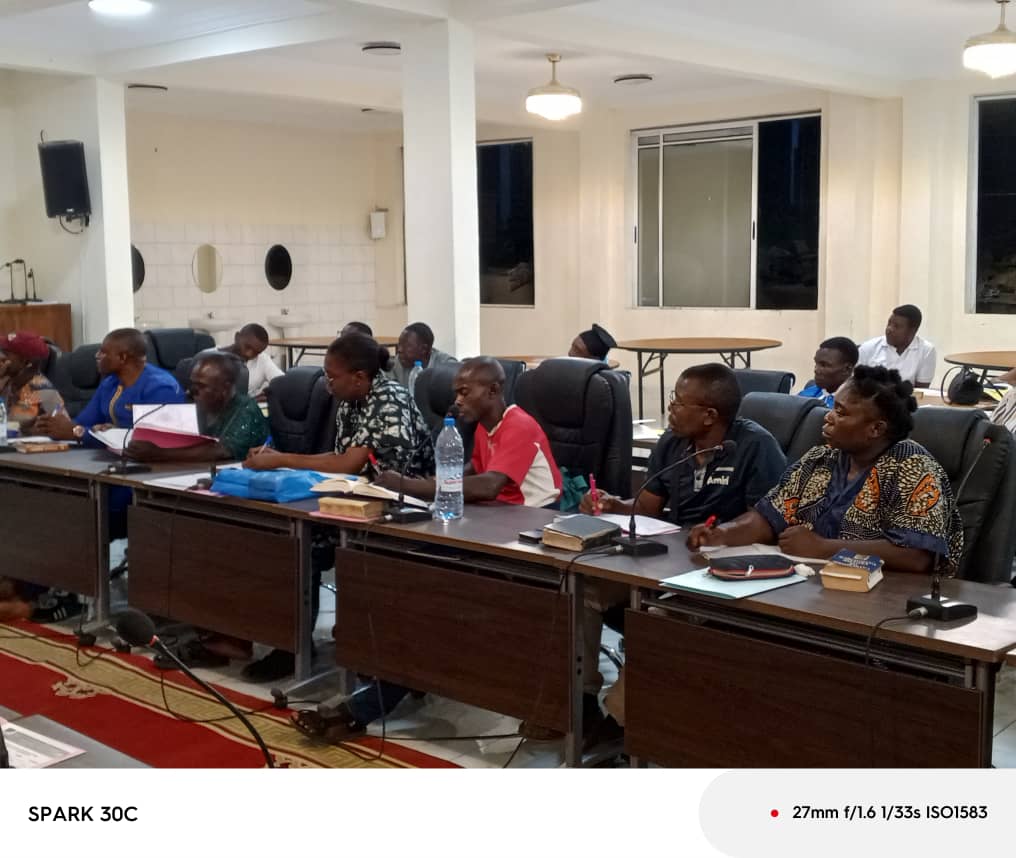
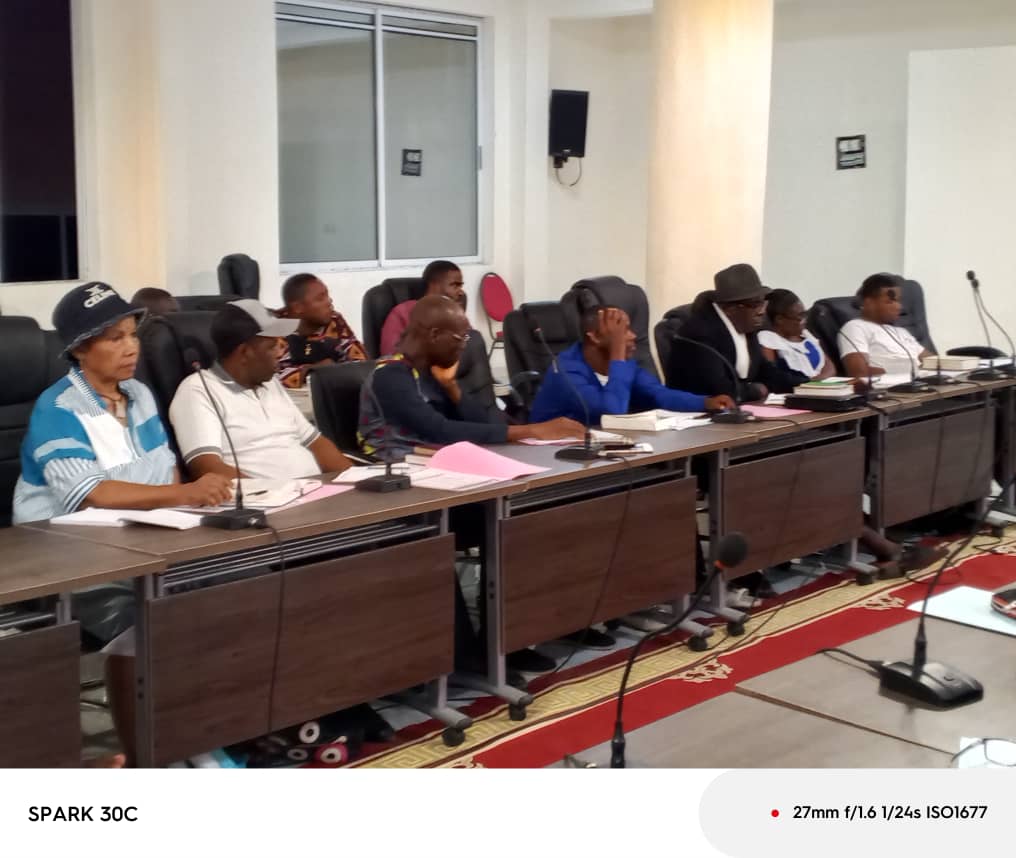
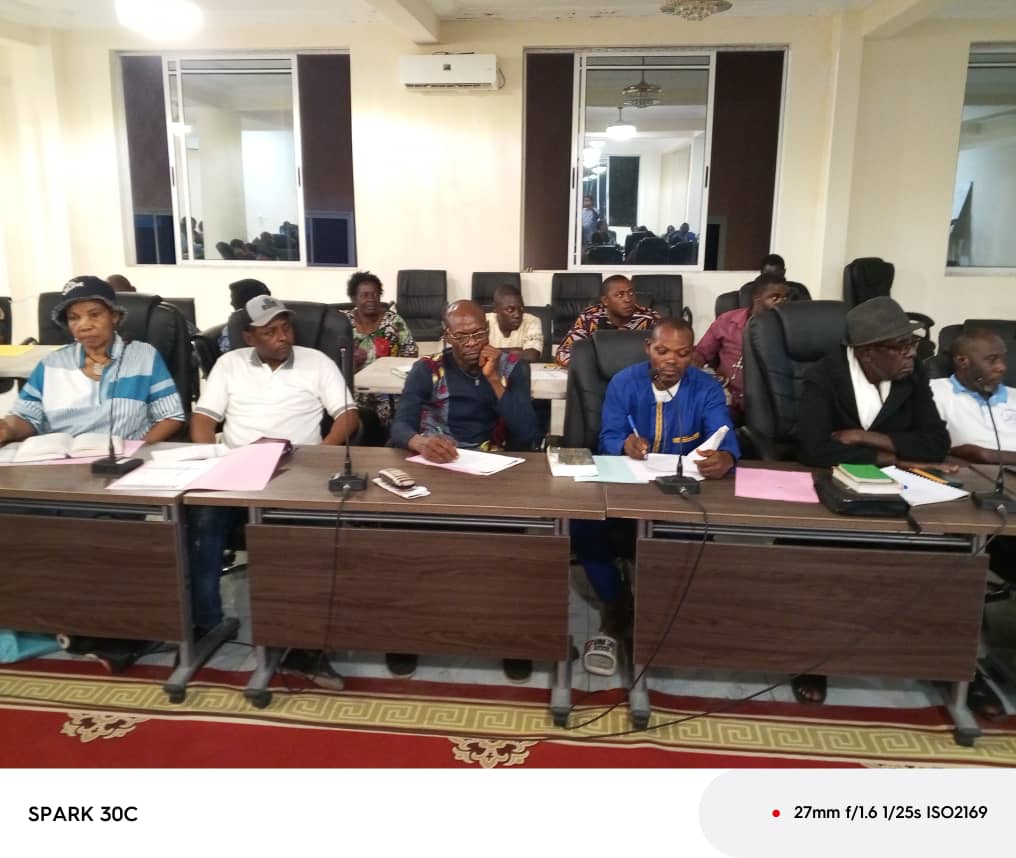
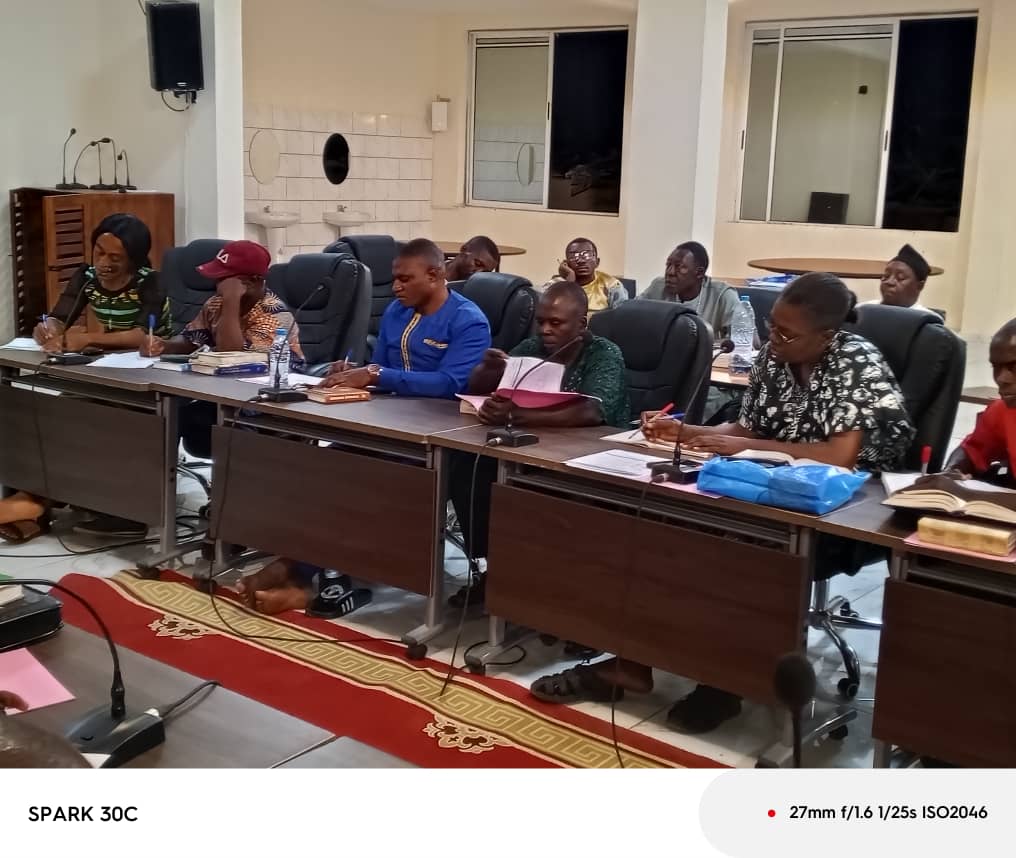
- Observe a class in session (when available).
- Explore our library and facilities.
- Learn more about our programmes and community life.
To schedule a visit, please contact the JOPASIT office at +237 672 43 94 75 or jopasit@bueadiocese.org.